
Skip to content Skip to footer

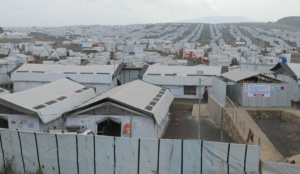
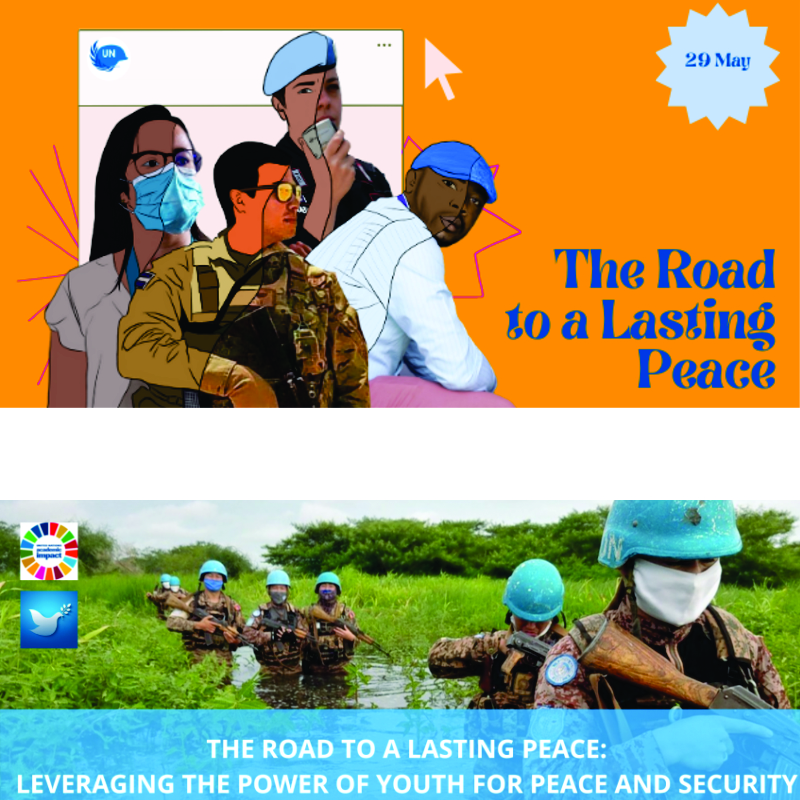
United Nations peacekeeping operations consist of roughly 60,000 personnel deployed in the field, serving across multiple missions worldwide. These forces include military troops, police units, doctors and civilian specialists, all working together to maintain peace and security in conflict-affected regions. A total of 121 countries contribute to these missions, reflecting broad international cooperation and support for global stability.

Peacekeeping has proven to be one of the most effective tools available to the UN to assist countries to navigate the difficult path from conflict to peace. Today’s multidimensional peacekeeping operations are called upon not only to maintain peace and security, but also to facilitate political processes, protect civilians, assist in the disarmament, demobilization and reintegration of former combatants; support constitutional processes and the organization of elections, protect and promote human rights and assist in restoring the rule of law and extending legitimate state authority.

Peacekeeping operations get their mandates from the UN Security Council; their troops and police are contributed by Members States; and they are managed by the Department of Peace Operations and supported by the Department of Operational Support at UN Headquarters in New York.

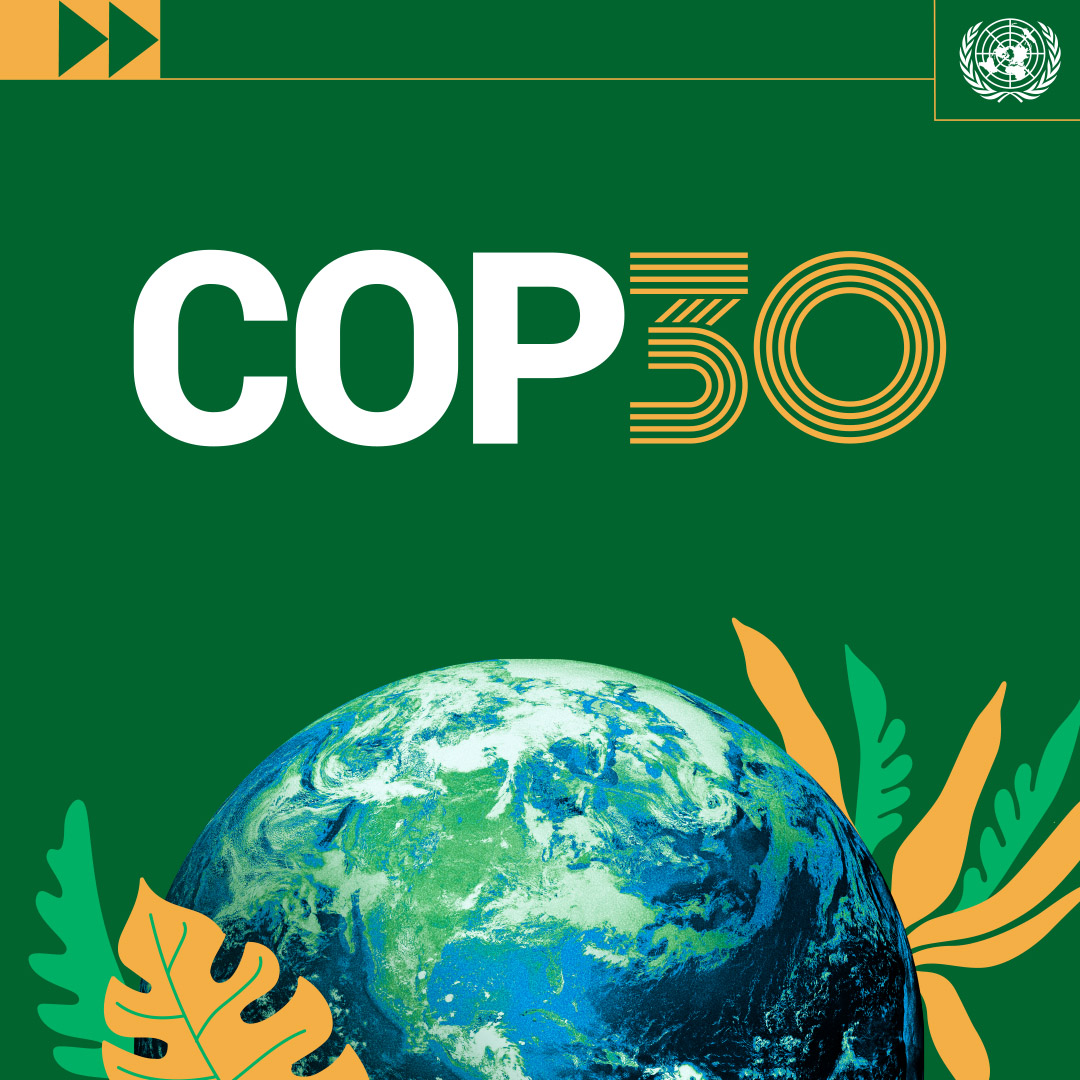
UN climate conference in Belém, Brazil

COP30 concluded with a collective agreement on a broad range of climate issues, bringing together all 193 countries present at the conference. The outcome served as a reminder that, despite political differences and competing national interests, the international community is still capable of uniting to address challenges that no single nation can resolve on its own. The conference reaffirmed the value of multilateral cooperation at a time when global solidarity is often tested. 

UN Secretary-General António Guterres acknowledged this achievement, stating that “COP30 has delivered progress.” However, he was equally clear that progress alone is not enough. He urged governments to move beyond words and commitments by taking action, emphasizing the need for rapid, and sustained reductions in greenhouse-gas emissions. He also called on countries to present credible plans to transition away from fossil fuels and accelerate the shift toward renewable energy sources.

The message from COP30 was therefore twofold: while meaningful steps have been taken, the path ahead demands far greater ambition, courage, and a genuine commitment to safeguarding the planet for future generations.

NEWS

Eat more plant-based foods

Animal-based diets have a high impact on our planet. Population growth and an increasing demand for meat and dairy results in the need to clear land and deforestation in order to make room

Read More »
our mission

Countering Terrorism

The United Nations is being increasingly called upon to coordinate the global fight against terrorism. Eighteen universal instruments against international terrorism have been elaborated within the framework of the United Nations system relating to specific terrorist activities. In September 2006, UN Member States adopted the United Nations Global Counter-Terrorism Strategy. This was the first time that Member States agreed to a common strategic and operational framework against terrorism.

UN Peace Keeping © 2026. All Rights Reserved.